Choosing the Right Security Level (SKG / Certifications)
Choosing the right door cylinder is not just about the size and type of cylinder. The security level is also an important consideration.
But when do you need a standard cylinder, and when is a higher-security cylinder a better choice? And what do terms such as SKG, certification and a key certificate actually mean?
On this page, we explain what to consider when choosing a secure door cylinder.
What determines the security of a door cylinder?
The security of a door cylinder is determined by several different features. These can include protection against:
- lock picking;
- cylinder snapping or pulling;
- drilling;
- manipulation of the cylinder;
- unauthorised key duplication.
Not every cylinder offers the same level of protection in all of these areas.
A cylinder is also never the only factor that determines the security of a door. The door, lock, security fittings and the way all components are used together also play an important role.
A high-quality cylinder fitted to a poorly secured door does not automatically make the entire door resistant to burglary.
What does SKG mean?
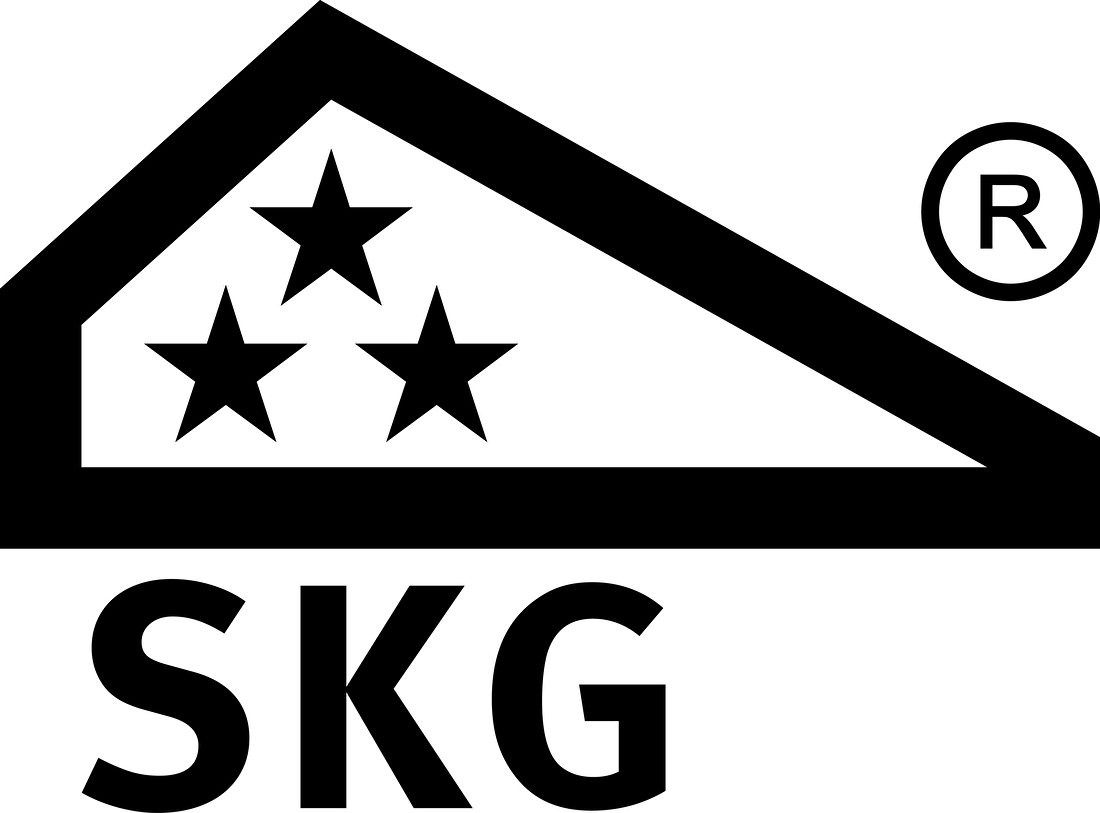
SKG-IKOB is a Dutch certification body that tests and certifies products used in areas such as construction and security.
The SKG classification is therefore particularly relevant in the Dutch market. International manufacturers, such as ISEO, can also have their cylinders tested and certified according to SKG-IKOB requirements.
An SKG classification indicates that a specific product has been tested according to established requirements and certified within a particular class. The classification applies to the specific product and the conditions under which it has been certified.
It is therefore not enough to simply see that a product carries an “SKG” marking. Always check the specific classification and the corresponding product and application requirements.
What do SKG*, SKG** and SKG*** mean?
Security products can have different SKG classifications, indicated by one, two or three stars.
A higher number of stars represents a higher SKG classification. However, the stars should not be regarded as a general security score for an entire door.
The classification applies to the specific certified product and the application for which the certificate is valid. For cylinders, this may include requirements relating to the combination with the lock, security fittings or other components of the door.
Always check the official specifications for the specific model.
When do you need a higher-security cylinder?
For many interior doors or situations with a relatively low security risk, a good-quality standard cylinder may be sufficient.
For exterior doors and doors that provide important access to a home, business or other premises, it can be worthwhile to pay extra attention to the security level of the cylinder.
This may be particularly relevant when:
- the door provides direct access to a home or business;
- the door is easily accessible from outside;
- valuable possessions are stored behind the door;
- specific insurance requirements apply;
- you want additional protection against certain attack methods;
- key management and preventing unauthorised key duplication are important.
The most suitable solution depends on the overall security situation.
Different security levels within our range
Our range includes door cylinders with different security levels.
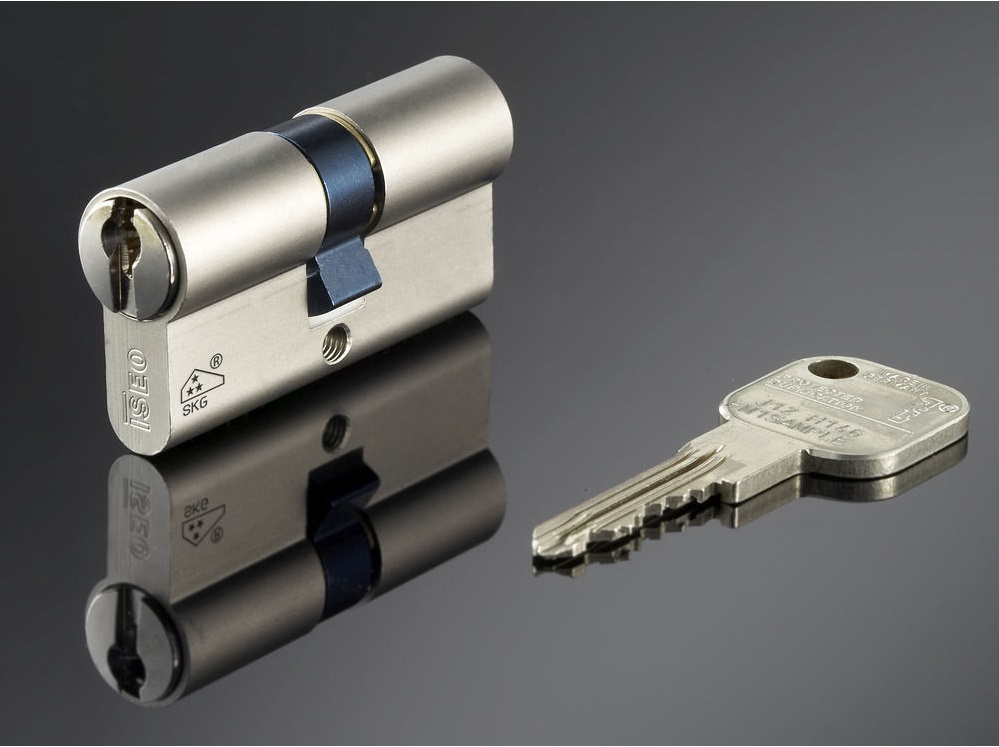
The S2 S6 and F6 cylinders have an SKG 2-star classification. Within the ISEO range, you will find both non-SKG-classified cylinders, such as the ISEO F5, and various cylinders with an SKG 3-star classification.
Would you like to compare the different options? Take a look at our pages for S2 door cylinders and ISEO door cylinders.
Protection against cylinder pulling, drilling and other attacks
Not every security cylinder provides the same protection against different forms of attack.
When choosing a cylinder, you can therefore consider its protection against methods such as:
Cylinder pulling
Cylinder pulling involves attempting to pull the cylinder out of the lock. Protection against this type of attack can be provided by features of the cylinder itself and by suitable security fittings that protect the cylinder against pulling.
Drilling
During a drilling attack, an attempt is made to damage or disable the cylinder mechanism. Some cylinders are equipped with additional drill protection.
Lock picking and manipulation
This involves attempting to operate the locking mechanism without the original key. Resistance to these methods varies between cylinders and key technologies.
A cylinder can therefore be protected in several different ways. Always look at the specific security features of the model you are considering.
Key with a certificate or without a certificate
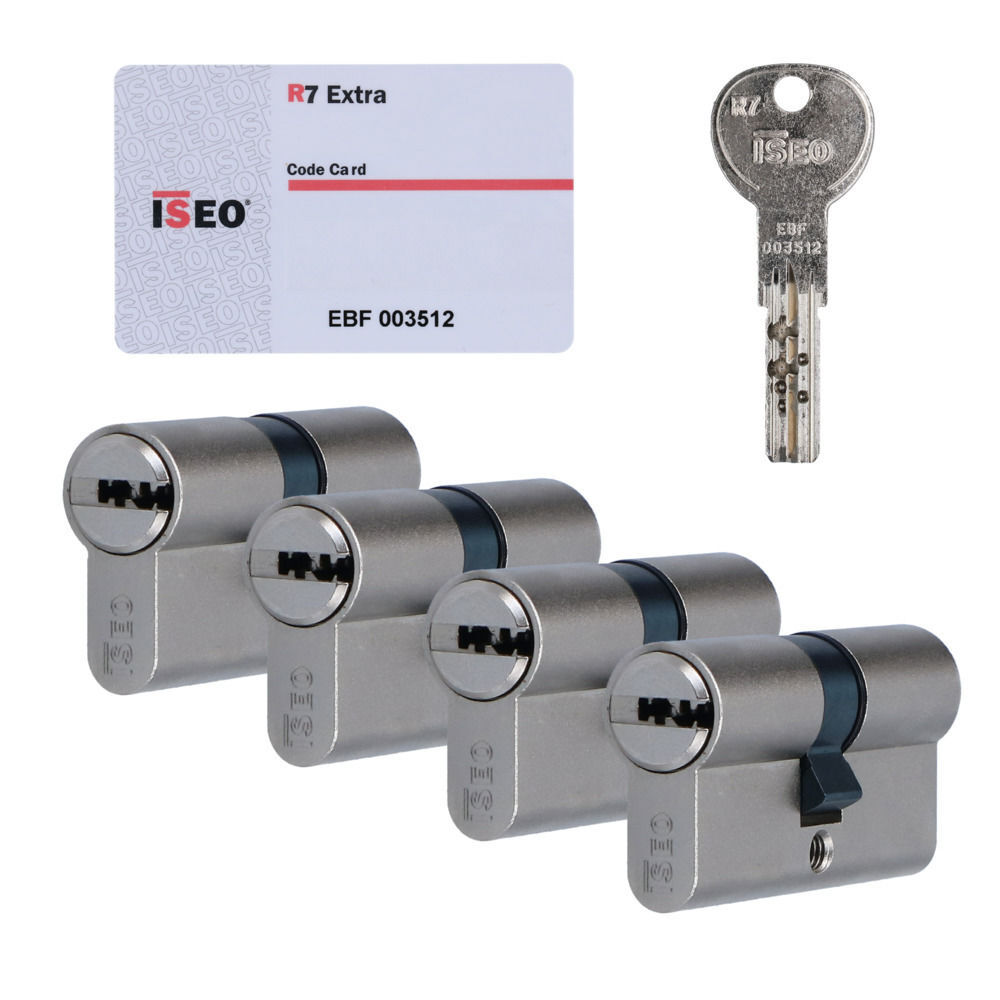
Some cylinders use a restricted or certified key profile together with a security card or certificate.
This can be useful when you want to maintain control over the duplication of keys.
Depending on the system, additional keys may only be ordered through an authorised channel or with the corresponding security card or certificate.
This can be particularly useful for homes, businesses or situations where several people have access to keys.
A key certificate does not automatically mean that the cylinder offers better protection in every other area of security. It is primarily related to key management and protection against unauthorised key duplication.
Certification is not the same as key security
It is important to distinguish between these different concepts.
A certification can relate to the security features of the cylinder, while a key certificate or security card primarily relates to the management and controlled duplication of keys.
These are two different aspects.
When choosing a cylinder, it is therefore useful to first determine which features are important for your situation.
How do you choose the right security level?
There is no single security level that is best for every door.
Start by considering the situation in which the cylinder will be used.
For an interior door
The focus is generally less on burglary resistance.
For an exterior door
The security of the cylinder becomes more important, and additional protection against methods such as cylinder pulling and drilling may be relevant.
For a home or business with higher security requirements
A higher security classification, additional security measures and a restricted key profile may be worth considering.
For a business with multiple users
In addition to physical security, key management can also be important. In that case, a master key system or key plan may be a useful option.
Consider the complete door
A secure door consists of more than just a good cylinder.
The following also play a role:
- the quality of the lock;
- security fittings;
- protection of the cylinder against pulling;
- the construction of the door;
- the door frame;
- installation;
- any additional security measures.
A cylinder should therefore always be considered as part of the overall security of the door.
Which cylinder is right for your situation?
The right choice ultimately depends on the combination of security, use, key management and budget.
For example, ask yourself:
- Is the door an interior or exterior door?
- How important is the access point?
- Is additional protection against cylinder pulling or drilling required?
- Do keys need to be duplicated under controlled conditions?
- Are there specific insurance requirements?
- Are there multiple users or multiple doors?
- Should the cylinder form part of a key plan?
Based on these factors, you can determine which security features are relevant to your situation.
Not sure which cylinder you need? Take a look at our other selection guides, such as What size cylinder do I need?, Knob cylinder or double cylinder? and Keyed alike or keyed differently?
Looking for a secure door cylinder?
Browse our range of door cylinders and compare the different designs, security features and options.
Frequently asked questions
Is an SKG cylinder always more secure?
Not necessarily. It is important to look at the specific classification, features and application requirements of the product. The rest of the door's security also plays an important role.
What is the difference between SKG and a key certificate?
SKG relates to the testing and certification of certain product features. A key certificate primarily relates to the management and controlled duplication of keys.
Do I need a higher-security cylinder for every exterior door?
Not every situation is the same. Additional security may be relevant for an exterior door, but the appropriate level depends on the door, location, risk and any additional requirements.
Is a cylinder with a key certificate more secure?
A key certificate can help you maintain control over key duplication. It does not automatically mean that the cylinder itself offers better protection in every area.
Does an SKG classification protect against cylinder pulling?
This depends on the specific product, classification and application. Always check the product information and official specifications.
Do I only need to consider the cylinder when securing a door?
No. The cylinder is only one part of the overall door security. The lock, security fittings, door, frame and installation also play an important role.
Can a high-security cylinder be fitted into any lock?
Not every cylinder is compatible with every lock. In addition to the security level, you need to consider the cylinder type, size and the lock being used.






 Ordered before 14:00, shipped today*


