Replacing a cylinder
Would you like to replace a door cylinder, for example because you have moved house, lost a key or want to install a newer cylinder?
With a standard Euro profile cylinder, you can often do this yourself with the right tools and a suitable replacement cylinder.
It is important to choose the correct size and install the cylinder carefully. On this page, you’ll learn when to replace a cylinder, what you need and how to do it step by step.
When should you replace a cylinder?
There are several reasons to replace a door cylinder:
When moving house – you want to decide for yourself who has access to your home.
If a key is lost or stolen – you want to prevent someone from gaining access with the old key.
If the cylinder is worn or causing problems – for example, the key becomes increasingly difficult to turn or the cylinder no longer works properly.
To upgrade security – you want a cylinder with a different security level or additional security features.
When changing your key plan – for example, if you want to operate multiple doors with the same key.
In some cases, you do not need to replace the entire lock. If only the cylinder needs replacing and the rest of the lock is working properly, replacing the cylinder alone may be sufficient.
Which cylinder do you need?
Before you begin, it is important to choose the correct replacement cylinder. Consider the following points:
Size: the cylinder must fit the door and the existing security hardware.
Type: for example, a double cylinder, thumbturn cylinder or half cylinder.
Security level: consider which level of security is appropriate for your door and situation.
Additional functions: for example, a panic function or freewheel function.
Key operation: do you want to operate one door or open several doors with the same key?
Still unsure which type you need?
Start with Which cylinder do I need?.
To determine the correct size, see Which cylinder size do I need?.
For detailed instructions on measuring your existing cylinder, also see How to measure a door cylinder.
What do you need to replace a cylinder?
Replacing a standard Euro profile cylinder usually requires very little in the way of tools.
Have the following ready:
A screwdriver suitable for the fixing screw.
The key for the existing cylinder.
A new cylinder of the correct size and type.
Before you begin, check that you can open the door and operate the existing cylinder normally. Keep the door open while replacing the cylinder so that you can test its operation without risking locking yourself out.
Please note: If you do not have the key, if the key has broken off inside the cylinder, or if the cylinder is jammed, the replacement process may differ from the steps described below. Do not force the cylinder. Feel free to contact us; we’ll be happy to help you find a suitable solution.
How do you replace a door cylinder?
For a standard Euro profile cylinder, you can follow the steps below.
Step 1: Open the door and locate the fixing screw
Open the door fully. On the narrow edge of the door, level with the cylinder, you will find the long fixing screw that secures the cylinder in the lock.

Step 2: Unscrew the fixing screw
Use a suitable screwdriver to remove the fixing screw completely. Put the screw somewhere safe so that you can reuse it later.
Step 3: Remove the old cylinder
Insert the key into the cylinder and carefully turn it slightly to the left or right. This positions the rotating part in the centre of the cylinder, known as the cam, so that the cylinder can slide out of the lock.
Then carefully pull the cylinder out of the door. You may need to turn the key a little further to find the correct position.
Not working straight away? Do not use excessive force. Check that the fixing screw has been completely removed and that the cam is correctly positioned.
Is the cylinder still stuck? Do not try to remove it by force. Contact us if you would like to discuss the possible next steps.
Step 4: Insert the new cylinder
Insert a key into the new cylinder and, if necessary, turn it slightly so that the cam is in the correct position.
Carefully slide the cylinder into the lock opening. Make sure it fits properly and that the hole for the fixing screw lines up with the corresponding opening in the lock.
The cylinder should fit into place without force.
Step 5: Secure the cylinder
Replace the fixing screw and tighten it carefully. Do not overtighten it unnecessarily: the cylinder must be secure but should still operate smoothly.

Step 6: Test the operation
Test the new cylinder while the door is still open.
Check that:
The key turns smoothly on both sides, where applicable.
The door can be locked and unlocked with the key.
The latch and deadbolt move correctly.
The cylinder does not jam and is securely fitted.
If everything works as it should, carefully test the door with it closed as well.
What should you check after replacing the cylinder?
A correctly installed cylinder should operate smoothly and fit properly with the existing security hardware.
Pay attention to the following:
Cylinder size: the cylinder should not protrude unnecessarily. With standard security hardware, the general guideline is that the cylinder should protrude no more than approximately 3 mm on the outside.
Installation: the cylinder should be fitted straight, and the fixing screw should fit correctly.
Operation: the key should turn without unnecessary resistance.
Security: check that the security hardware and cylinder together provide the level of protection you want.
If the cylinder does not work properly after installation, do not force the key. Check the cylinder's position and the fixing screw.
If the problem persists, have the installation checked.
Which cylinders can you find at Javena?
At Javena, you’ll find a range of Euro profile cylinders in different sizes and types.
Whether you want to replace an existing cylinder, need a thumbturn cylinder or want to operate several doors with the same key, the right choice depends on your door, the type of operation you need and the required security level.
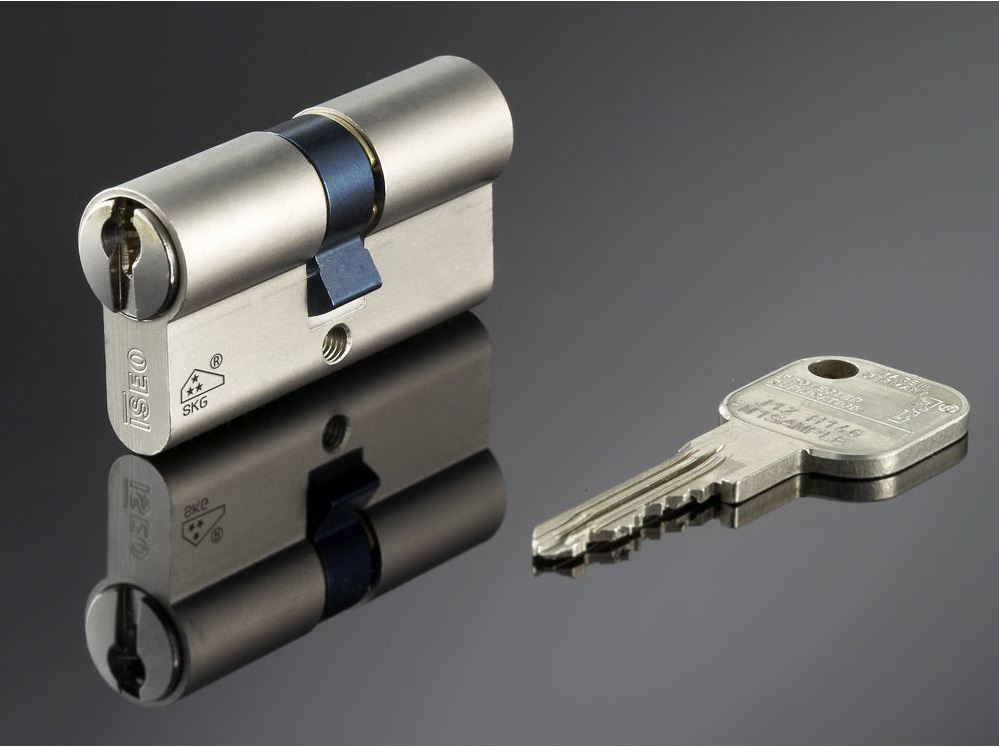
Browse our range of Euro profile cylinders or explore the available options from S2 Safe & Secure and ISEO.
Need help replacing or choosing a cylinder?
Unsure about the size, type or installation? Feel free to contact us.
A photo of the existing cylinder, the security hardware and, if available, the measurements can help us assess your situation. We’ll be happy to help you find a suitable replacement cylinder.
Frequently asked questions about replacing a cylinder
Can I replace a door cylinder myself?
With a standard Euro profile cylinder, this is often possible using a suitable screwdriver and the correct replacement cylinder. The situation may be different if the key is missing, the cylinder is stuck or the lock is damaged.
Do I need to replace the entire lock?
No, not always. If only the cylinder needs replacing and the rest of the lock works properly, replacing the cylinder alone may be sufficient.
How do I know which replacement cylinder size I need?
Measure from the centre of the fixing screw hole to both sides of the cylinder. Take the security hardware into account. You can find more information in Which cylinder size do I need? and How to measure a door cylinder.
Can I replace a cylinder without removing the door handle or security hardware?
With many standard Euro profile cylinders, the cylinder can be replaced without removing the door hardware. This depends on the construction and the available space.
Can I replace a cylinder without a key?
That depends on the situation and the type of cylinder. Without a key, removal can be considerably more difficult. Do not try to force the cylinder out; contact a professional if necessary.
What should I do if the new cylinder sticks?
Check that the cylinder is the correct size, is fitted straight and that the fixing screw has not been overtightened. If the cylinder continues to stick, do not force the key and have the installation checked.
When should I replace the cylinder after moving house?
If you are unsure who still has a key, replacing the cylinder can help you regain control over access to your home. Also check whether other entrances, such as a back door or shed, use the same key.
Can I switch to keyed-alike cylinders when replacing the cylinder?
Yes, this may be an option. Keyed-alike cylinders allow you to operate several doors with the same key. Before choosing, check which sizes, types and combinations are available within the cylinder system you select. Read more in Keyed alike or keyed differently?.






 Ordered before 14:00, shipped today*


