Measuring a euro cylinder
Correctly measuring a euro cylinder is important to ensure that a new cylinder fits properly, operates smoothly and provides the intended level of security. An incorrect size can cause the cylinder to protrude too far, fit poorly with the security hardware or function incorrectly.
On this page, we explain step by step how to measure a euro cylinder, what to look for and how to determine the correct cylinder size.
You will also find information about:
- Removing a euro cylinder for accurate measuring
- Measuring thumbturn cylinders
- Security hardware and protruding cylinders
- Cylinder measuring tools
- Advice and measurement services from Javena
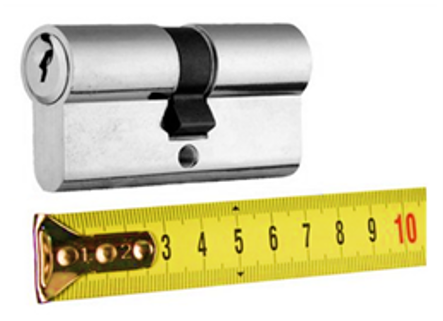
Why Correctly Measuring a Euro Cylinder Matters
A properly sized euro cylinder is important for:
- Optimal security
- Reliable lock operation
- A neat finish on the door
- Reduced wear on the cylinder and hardware
- Correct compatibility with security door hardware
A common mistake is choosing a cylinder that protrudes too far from the outside of the door. This can make the cylinder more vulnerable to attack methods such as snapping or manipulation.
For optimal security, we recommend that a euro cylinder protrudes no more than approximately 3 mm beyond the security hardware.
How Do You Measure a Euro Cylinder?
A euro cylinder is measured from the centre of the fixing screw hole to both ends of the cylinder.
Typical cylinder sizes include:
- 30/30
- 30/35
- 35/45
These measurements indicate the length on each side of the fixing screw hole.
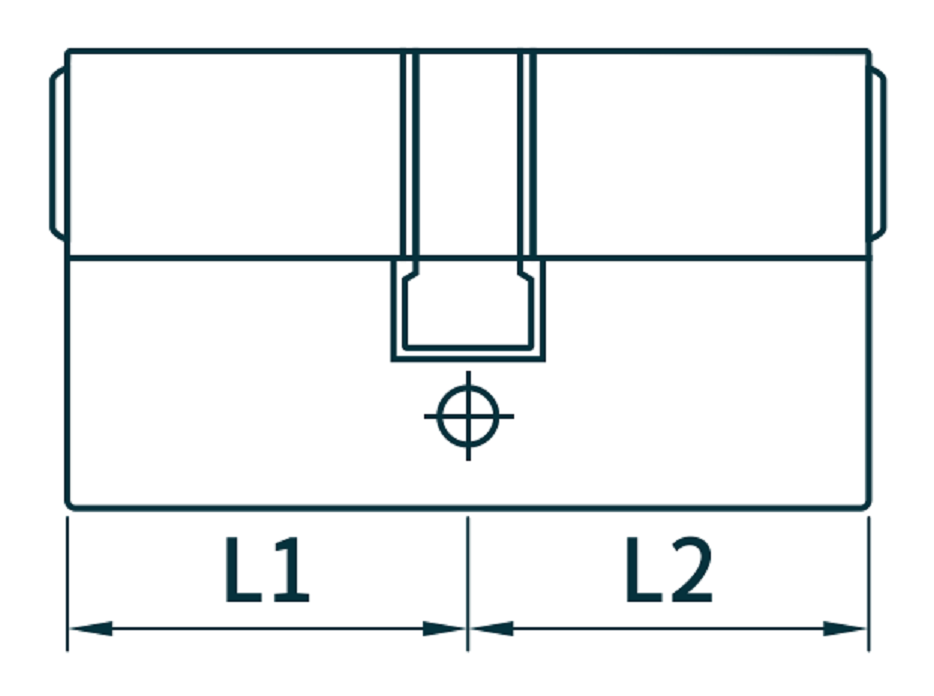
When determining the correct cylinder size, consider:
- The overall cylinder length
- The measurement on both sides of the fixing screw hole
- The thickness of the door
- Any security hardware fitted
- How far the cylinder protrudes
Removing a Euro Cylinder for Accurate Measuring
Although a euro cylinder can sometimes be measured while still installed, removing it usually provides a more accurate measurement.
This helps prevent:
- Measuring errors
- Ordering the wrong cylinder
- Incorrect size calculations
Removing a euro cylinder is often straightforward:
- Remove the fixing screw from the edge of the door
- Insert the key into the cylinder
- Turn the key slightly so the cam aligns
- Carefully slide the cylinder out of the door
You can then accurately measure the cylinder from the centre of the fixing screw hole.
Measuring a Euro Cylinder Without Removal
If you prefer not to remove the cylinder, it is often possible to measure it while it remains installed in the door.
A cylinder measuring tool can help you determine the correct size quickly and accurately without removing the cylinder.

In most cases:
- Position the measuring tool at the fixing screw location
- Measure towards both sides of the cylinder
- Read the dimensions for each side
Please note that on some doors the fixing screw may be partially concealed behind a lock faceplate or cover. If necessary, remove the cover first to gain proper access.
Using a cylinder measuring tool helps minimise measuring errors and makes it easier to determine the correct cylinder size.
Measuring Thumbturn Cylinders
When measuring a thumbturn cylinder, it is important that the thumbturn is positioned on the correct side of the door.
Thumbturn cylinders are often specified using dimensions such as:
- K30/45
- K45/30
The “K” indicates the thumbturn side of the cylinder.
Always check:
- Which side requires the thumbturn
- The required inside and outside dimensions
- Whether the measurements are recorded correctly
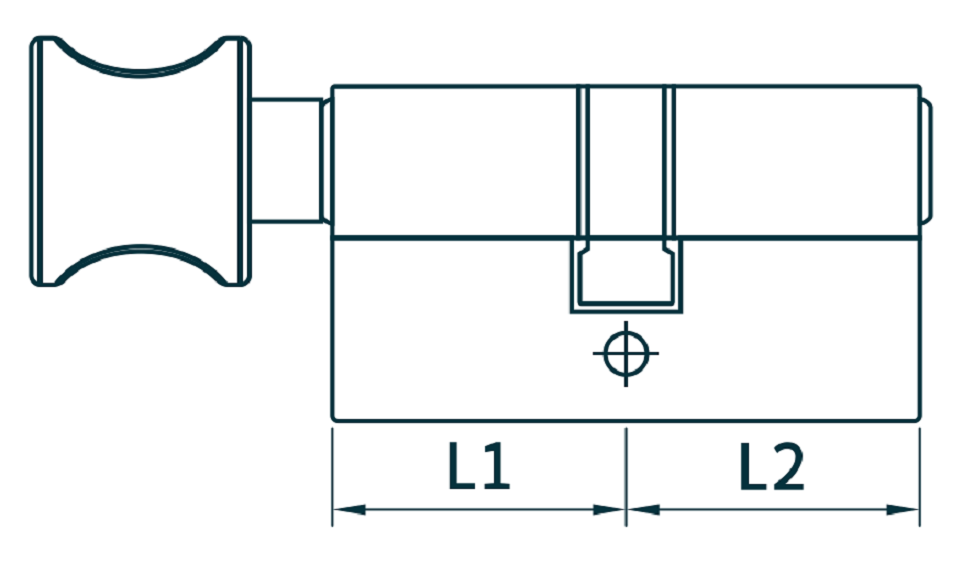
An incorrectly measured thumbturn cylinder may result in the thumbturn ending up on the wrong side of the door.
Security Hardware and Protruding Cylinders
When measuring a euro cylinder, it is important to take security hardware or anti-snap hardware into account.
This hardware affects:
- The required cylinder length
- How far the cylinder protrudes
- The overall security of the door
For optimal protection, we recommend:
- Choosing a closely fitting cylinder
- Limiting protrusion to approximately 3 mm
- Taking the thickness of the hardware into account
A correctly sized cylinder contributes to both improved security and a professional finish.
Need Help Measuring a Euro Cylinder?
If you are unsure about the correct cylinder size or would like additional reassurance before ordering new cylinders, Javena is happy to assist.

We can help with:
- Determining the correct cylinder size
- Assistance with measuring a euro cylinder
- Advice on thumbturn cylinders and security hardware
- Installation guidance
- Technical support
We also offer:
- Cylinder measuring tools
- Tool rental or loan services
- On-site measuring services
- Support with cylinder replacement
If you rent a cylinder measuring tool and subsequently purchase new cylinders or choose installation services from Javena, the rental fee will be fully credited.
Javena supports customers throughout parts of West North Brabant, South Holland, Zeeland and surrounding regions. Service at greater distances can be discussed upon request.
Related Information
Buying Guides
- Which cylinder do I need?
- What cylinder size do I need?
- Thumbturn cylinder vs double cylinder
- Choosing the right security level (SKG / certifications)
Installation Guides
- Replacing a euro cylinder
- Using a cylinder measuring tool
- Installing security hardware
Product Categories
Frequently Asked Questions About Measuring a Euro Cylinder
How do I correctly measure a euro cylinder?
Measure from the centre of the fixing screw hole to both ends of the cylinder. This provides the correct size configuration.
Do I need to remove the cylinder before measuring?
No, but removing the cylinder is usually more accurate and helps prevent measuring errors.
How far may a cylinder protrude?
For optimal security, we recommend a maximum protrusion of approximately 3 mm beyond the security hardware.
What does K30/45 mean on a thumbturn cylinder?
The “K” indicates the thumbturn side of the cylinder.
Can Javena help with measuring or installation?
Yes. Javena offers advice, on-site measuring services, technical support and installation assistance.






 Ordered before 14:00, shipped today*


